
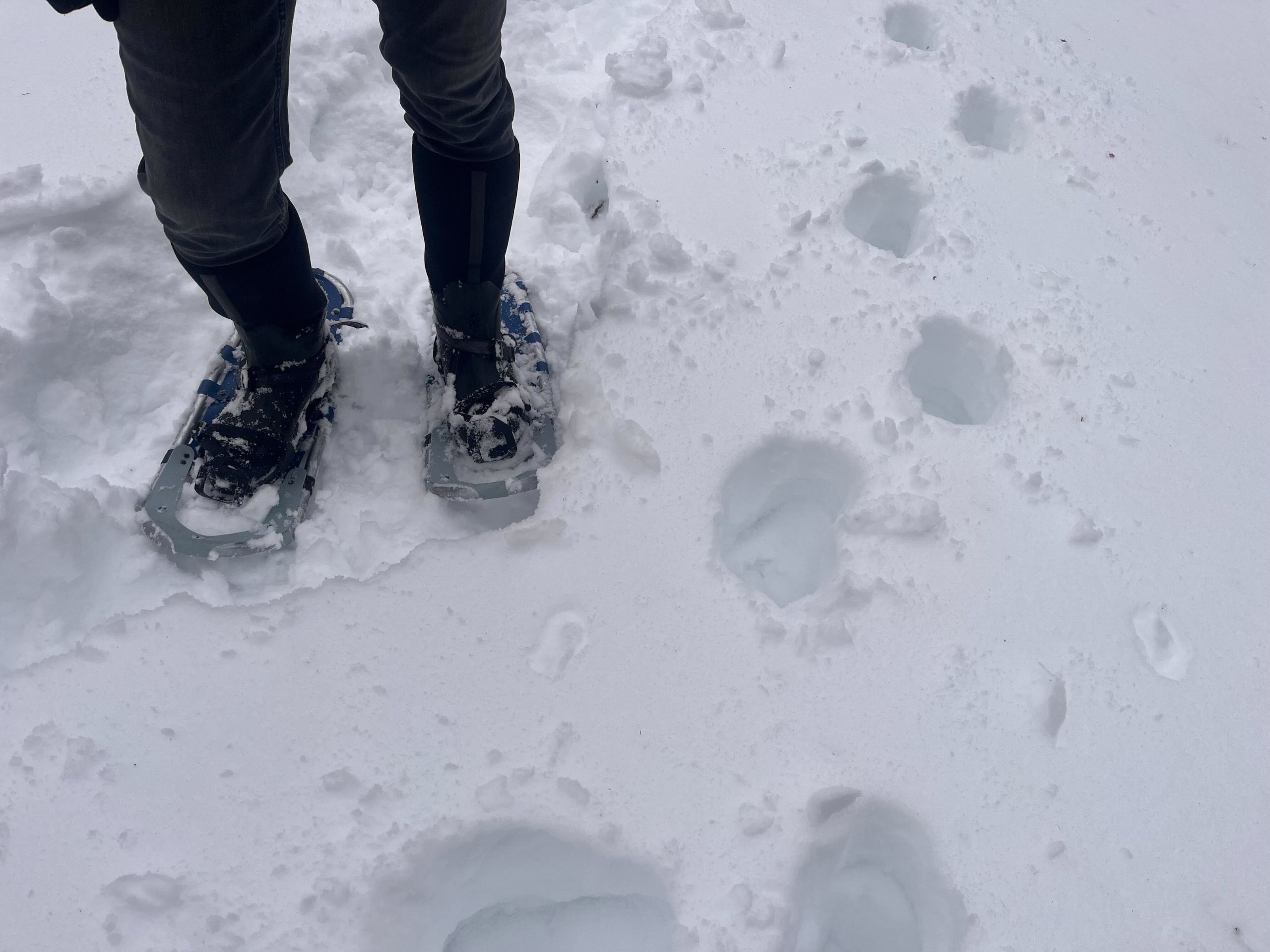
Snowshoes are designed to keep you floating above the snow
Winter is a great time to go outside, and it often requires a bit of extra preparation. Whether navigating on foot, skis, snowmobile or fat-tire bike, we all share the responsibility of keeping our outdoor spaces safe and accessible.
Mind the Posthole
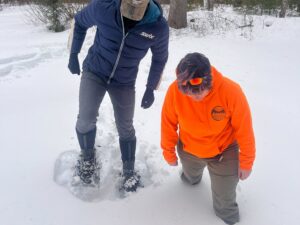
Snowshoes help prevent hikers from leaving postholes
One of the most important pieces of gear for a winter hiker is a pair of snowshoes. Snowshoes are designed to keep hikers “floating” above the snow. Floating reduces fatigue and leaves behind a nicely packed trail surface. It is a best practice to wear snowshoes when the snow depth reaches 6-8 inches or more of snow, particularly if the snow is soft, powdery, or uncompacted. Without snowshoes, winter hikers often create postholes.
Postholes are deep, narrow boot tracks that punch through the snowpack. Postholes may seem harmless, however, they eventually freeze into rock-hard craters, creating significant hazards, especially for cross-country skiers.
The Dangers of Postholing
- Ankle and Leg Injuries: Frozen, deep holes act like traps, causing twisted ankles, broken bones, or knee injuries to unsuspecting hikers or skiers who step into them.
- Extreme Fatigue and Exhaustion: Repeatedly punching through the snow requires immense energy, leading to rapid exhaustion.
- Hypothermia Risk: Sinking into snow causes clothes to get wet. When combined with exertion and cold temperatures, this significantly increases the risk of hypothermia.
- Dangerous Surface Conditions: When temperatures drop, these holes freeze into rock-hard craters, making the trail unusable and dangerous for others.
- Reduced Traction: Postholes break up the packed, safe trail surface, creating unstable footing for everyone else.
Accessibility on the Trail
7 Lakes Alliance believes that expensive gear should not be a barrier to experiencing the beauty of the Belgrade Lakes watershed. 7 Lakes has several pairs of snowshoes to lend community members. Stop by or call to make arrangements to borrow them. If you don’t own snowshoes and find yourself on a snowy path, follow these guidelines:
- Step Aside: Walk on the side of the established trail and stay off the packed center.
- Preserve the Pack: Keep the center clear of deep boot prints. This helps maintain a smooth, packed surface that is easier and safer for everyone to navigate.
Practicing winter hiking etiquette guidelines protects trail systems and ensures a safer, more enjoyable winter season for all.
Dan Woughter
Stewardship Coordinator
Don’t Be That Boater
August 28
Update from Sharon Mann, 7 Lakes Alliance Invasive Aquatics Diretcor August 28, 2026 Recently, I paddled down Great Meadow Stream to conduct a routine survey for the few remaining, scattered
Keep Reading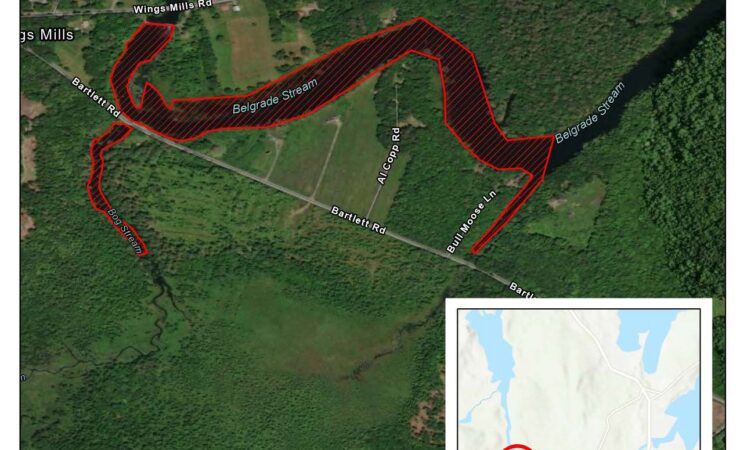
The Start of Something Good
August 25
We are pleased to share that on August 31, a small portion of Belgrade Stream will be treated with a low-risk herbicide to reduce invasive variable-leaf milfoil, lower the risk
Keep Reading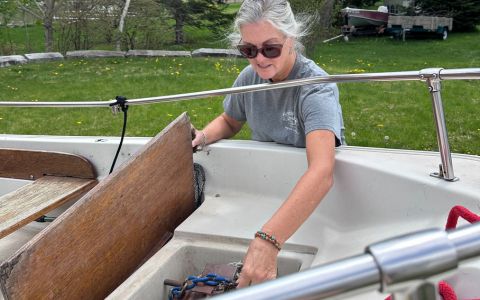
The Importance of Clean, Drain, Dry
July 22
Maine’s lakes and rivers are public waters, providing everyone with the opportunity to enjoy boating, fishing, swimming, and paddling. With that privilege comes a shared responsibility to protect these waters
Keep Reading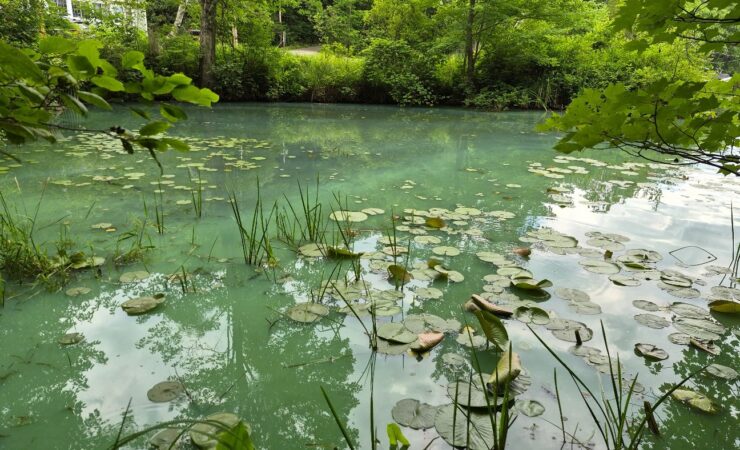
What Kind of Algae Is That?
July 10
Algae Update Summer 2026 So far, the lakes have remained nice and clear during the latest heatwave, but we are starting to see a measurable increase in algae growth. Not
Keep Reading
Remembering Kathi Wall
June 26
It is with great sadness that we share the passing of Kathi Wall, founding Executive Director of the Maine Lakes Resource Center, the organization whose merger with the Belgrade Regional
Keep Reading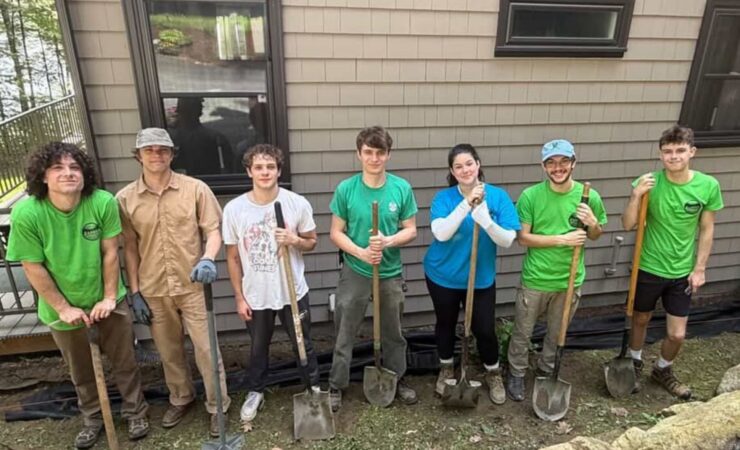
Scaling Summer Conservation Efforts
June 26
Meet the summer crew protecting our watershed Planning a paddle, hike, or swim in Belgrade Lakes? The summer you love starts with healthy lakes and lands, and they do not
Keep Reading
Inaugural 7 Lakes Alliance Arts Residency Announced
May 7
7 Lakes Alliance has launched the 7 Lakes Alliance Artist Residency, a new initiative that uses art to deepen public awareness of lake ecology and conservation. Through their work, resident artists will create experiences that engage community members of all ages in understanding and addressing environmental challenges facing the watershed, including the spread of invasive aquatic plants that threaten lake health.
Keep Reading
Denny Phillips Legacy Forest Permanently Protected
April 28
7 Lakes Alliance permanently protects Denny Phillips Legacy Forest 7 Lakes Alliance has permanently protected the Denny Phillips Legacy Forest, a 200-acre conservation area that serves as a critical ecological
Keep Reading