Ice-Out, Curly-In
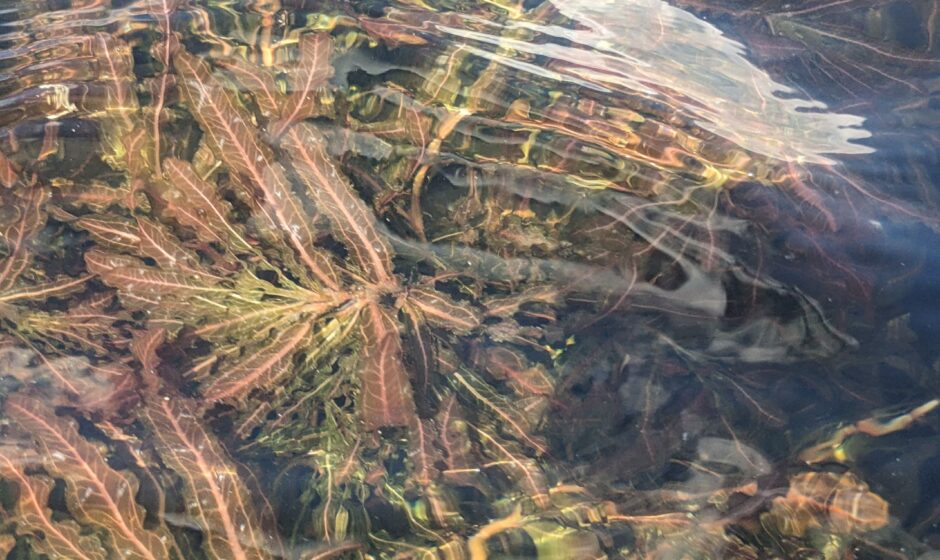
As the ice melts and the lakes open up, curly-leaf pondweed (CLPW) begins its rapid rise to the surface, forming dense mats that block sunlight from reaching plants lower in
Keep Reading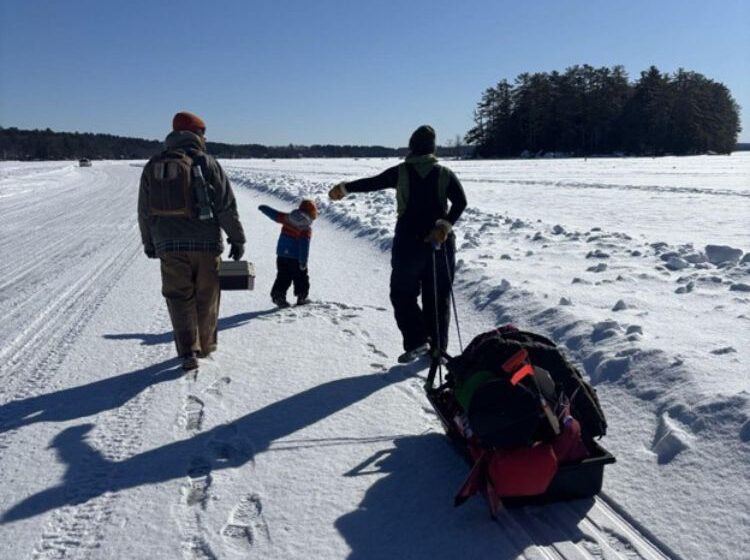
Invasive Aquatics Looks at Life Under Ice
During the North Pond Association’s Annual Pike Derby on February 15, our Invasive Aquatics team hit the ice for two reasons: to share Clean, Drain, Dry practices with anglers and
Keep Reading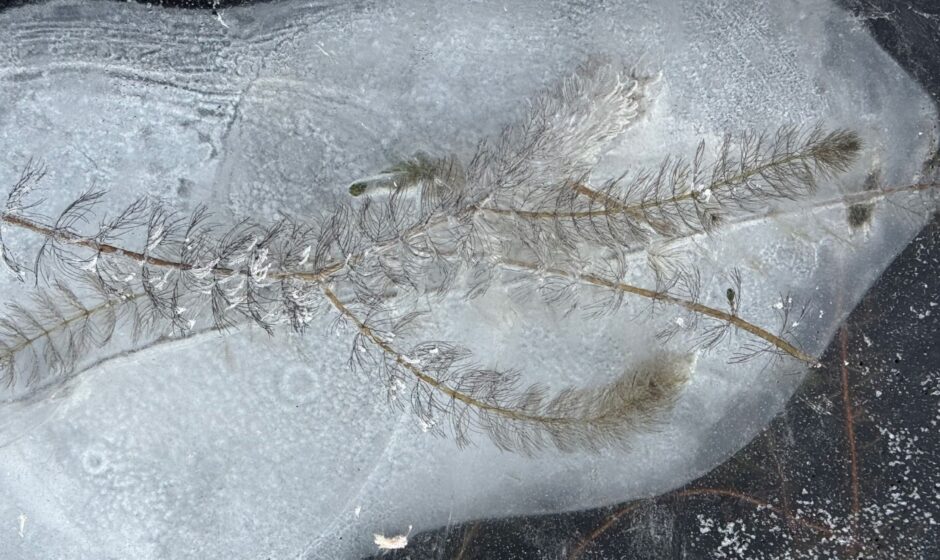
Tips to Protect Our Lakes This Winter
Aquatic Invasive Species Can Still Spread During Winter The risk of spreading invasive aquatic species between waterbodies doesn’t go away when our lakes ice over. Invasive aquatic plants, like variable-leaf
Keep Reading
2025 Invasive Aquatics Program Summary
7 Lakes Alliance leads the charge in preventing, detecting, and managing invasive aquatic species in the Belgrade Lakes watershed. Our robust Invasive Aquatics Program works closely with the Department of
Keep Reading2025 Annual Meeting Recording
7 Lakes Alliance is the science-based conservation organization for the Belgrade Lakes region of Maine. This presentation shares highlights and accomplishments of our 2025 season to date. Hear from our
Keep ReadingWatch our latest video
Keep Reading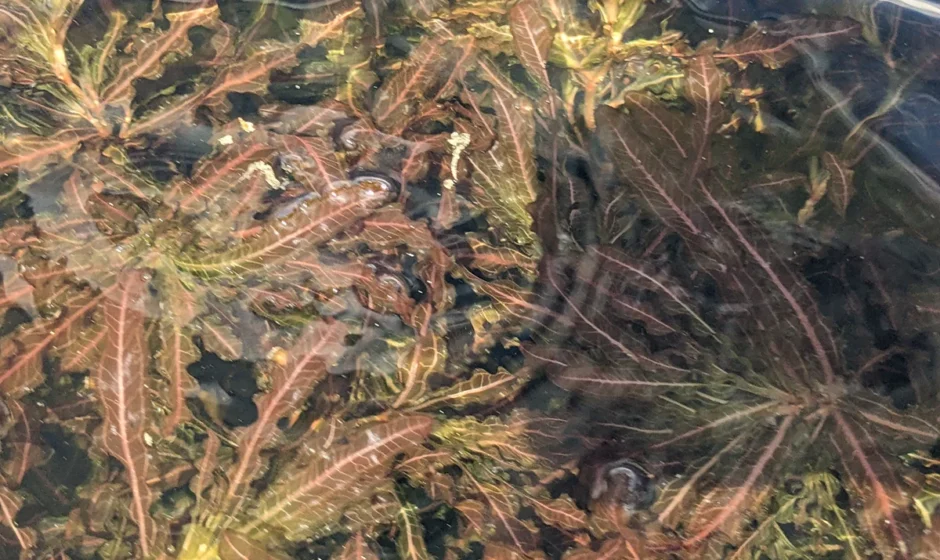
Invasive Curly-Leaf Pondweed Update
As the Belgrade Lakes Watershed prepares for its population to double from seasonal residents and visitors, there is one population that is rapidly decreasing: curly-leaf pondweed. Curly-leaf is an invasive
Keep Reading