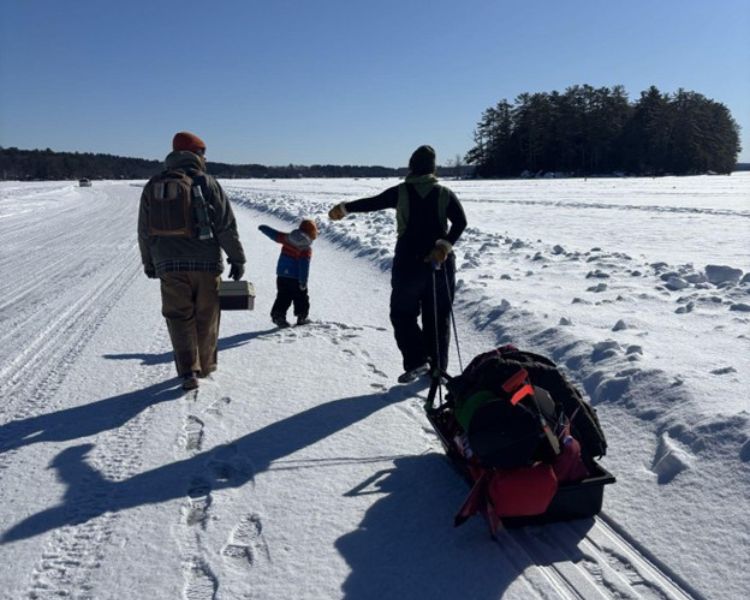
Heading out to Pomleau Island on North Pond
During the North Pond Association’s Annual Pike Derby on February 15, our Invasive Aquatics team hit the ice for two reasons: to share Clean, Drain, Dry practices with anglers and to check on curly-leaf pondweed (CLP) under the ice.
Year-Round Threat
Even in winter, aquatic invasive species can spread. Plant fragments and reproductive structures (like CLP turions) can hitchhike on augers, sleds, traps, boots, and fishing gear. When anglers move between waterbodies without cleaning and drying equipment, they can unknowingly transport invasive species to new lakes. That’s why Clean, Drain, Dry isn’t just for summer boaters — it’s essential year-round. Maine law requires all boaters to Clean, Drain, and Dry watercraft and gear to prevent the spread of invasive species.
- CLEAN plant debris, mud and algae from all boating and fishing gear and dispose in trash.
- DRAIN live well, bilge water, and engine water away from waterbody.
- DRY any gear that comes into contact with water.
Monitoring Hot Spots
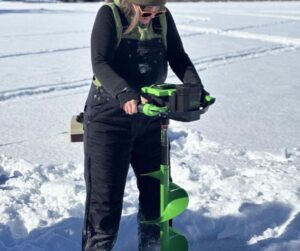
Captain Mann drilling holes
Most derby participants were fishing in deeper water, away from known CLP hotspot areas. We, however, headed straight for those hotspots. Using GPS coordinates from last season — areas where dense patches had produced turions (the plant’s reproductive structures) — we bored five test holes to evaluate how effective our targeted SCUBA removals were.
Curly-leaf pondweed is a cold-water species with a unique life cycle. It grows slowly under the ice, accelerates rapidly after ice-out, and typically peaks in June. By getting an early start in spring, CLP captures sunlight and nutrients before many native plants emerge from dormancy. This competitive advantage allows it to form dense mats that reduce biodiversity and alter freshwater habitats.
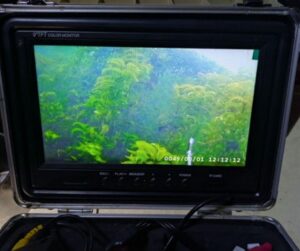
Underwater camera view of large-leaf pondweed
Some native pondweeds, like towering large-leaf pondweed (Potamogeton amplifolius) and low-growing fern-leaf pondweed (Potamogeton robbinsii), remain hardy in deeper water through the winter and are often mistaken for curly-leaf pondweed.
Large-leaf pondweed beds are the “kelp forests” of our freshwater lakes — providing important vertical habitat for fish and other wildlife while creating stunning underwater structure. Fern-leaf pondweed, by contrast, grows low and dense along the lake bottom, forming horizontal coverage that stabilizes sediments and improves water clarity by reducing turbidity.
Good News
We found no curly-leaf pondweed in any of the five holes. That’s an encouraging sign that last season’s targeted removals significantly reduced density in those areas. We are counting down the days till we get to see all our underwater friends this spring!
Sharon Mann
Invasive Aquatics Director
5 Watershed Strategies for Landowners
February 26
What we do on land affects the lake Runoff (rainwater that doesn’t soak into the ground) carries pollutants with it, from pet waste to road salt to dirt. Soil, aka
Keep Reading
Mind The Posthole: Winter Hiking Etiquette
February 19
Winter is a great time to go outside, and it often requires a bit of extra preparation. Whether navigating on foot, skis, snowmobile or fat-tire bike, we all share the
Keep Reading
Thank You, Miles: Assistant Lake Scientist Moving On
January 21
From sample collection to data reporting to summer camp instruction, Miles Hagedorn’s hard work has made an impact on better understanding the drivers of water quality in the Belgrade Lakes
Keep Reading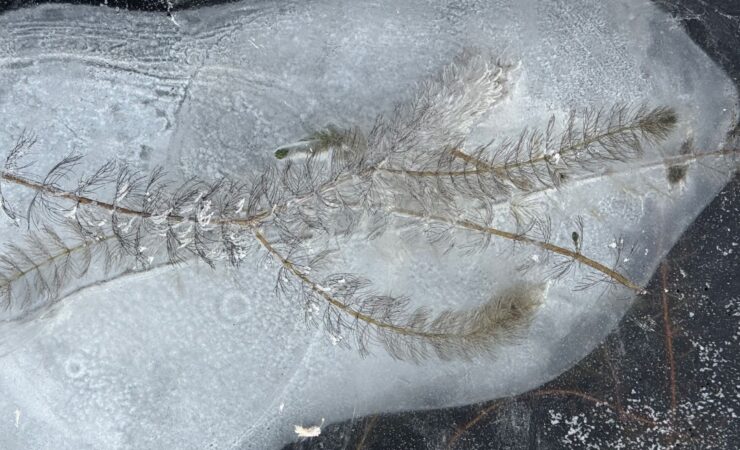
Tips to Protect Our Lakes This Winter
January 20
Aquatic Invasive Species Can Still Spread During Winter The risk of spreading invasive aquatic species between waterbodies doesn’t go away when our lakes ice over. Invasive aquatic plants, like variable-leaf
Keep Reading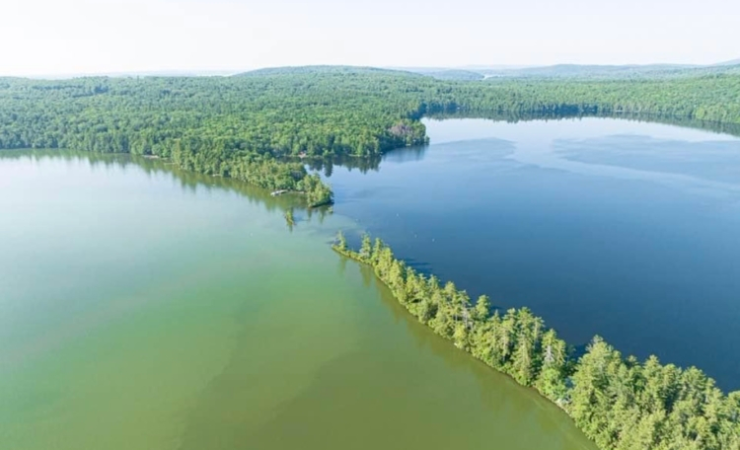
Congressionally Directed Spending Grant Awarded
January 16
7 Lakes Alliance and North Pond Association Awarded $2.35 Million Federal Grant for Clean Water Restoration on North Pond Belgrade Lakes, Maine – 7 Lakes Alliance, in partnership with
Keep Reading
Land Trust Accreditation Renewed
December 18
December 12, 2025 – Belgrade Lakes, ME – 7 Lakes Alliance is proud to announce it successfully renewed its land trust accreditation proving that, as part of a network of over
Keep Reading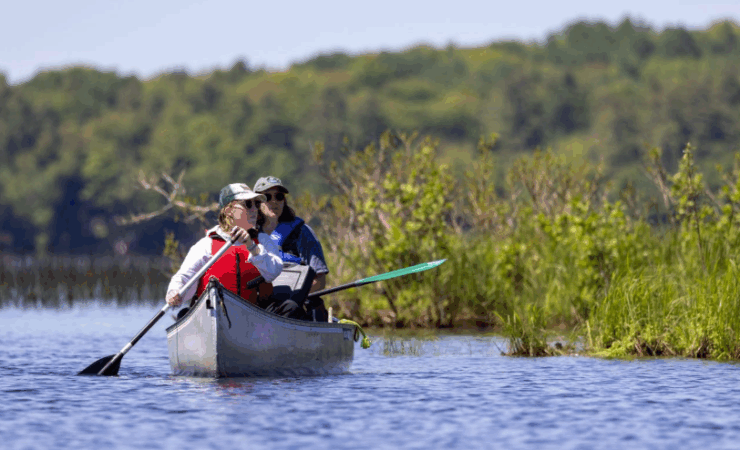
7 Lakes Alliance Receives $4,000 in Funding for Priority Conservation Projects
December 12
December 12, 2025 – Belgrade Lakes, ME – 7 Lakes Alliance has been awarded $4,000 through the L.L.Bean Maine Land Trust Grant Program, which Maine Coast Heritage Trust (MCHT) administers.
Keep Reading
Septic Project Initial Findings
December 9
Learn from Alex Debo, an intern from Maine Geospatial institute (MGI) who shares updates on the septic system modeling project including both technical details and preliminary results. He also
Keep Reading