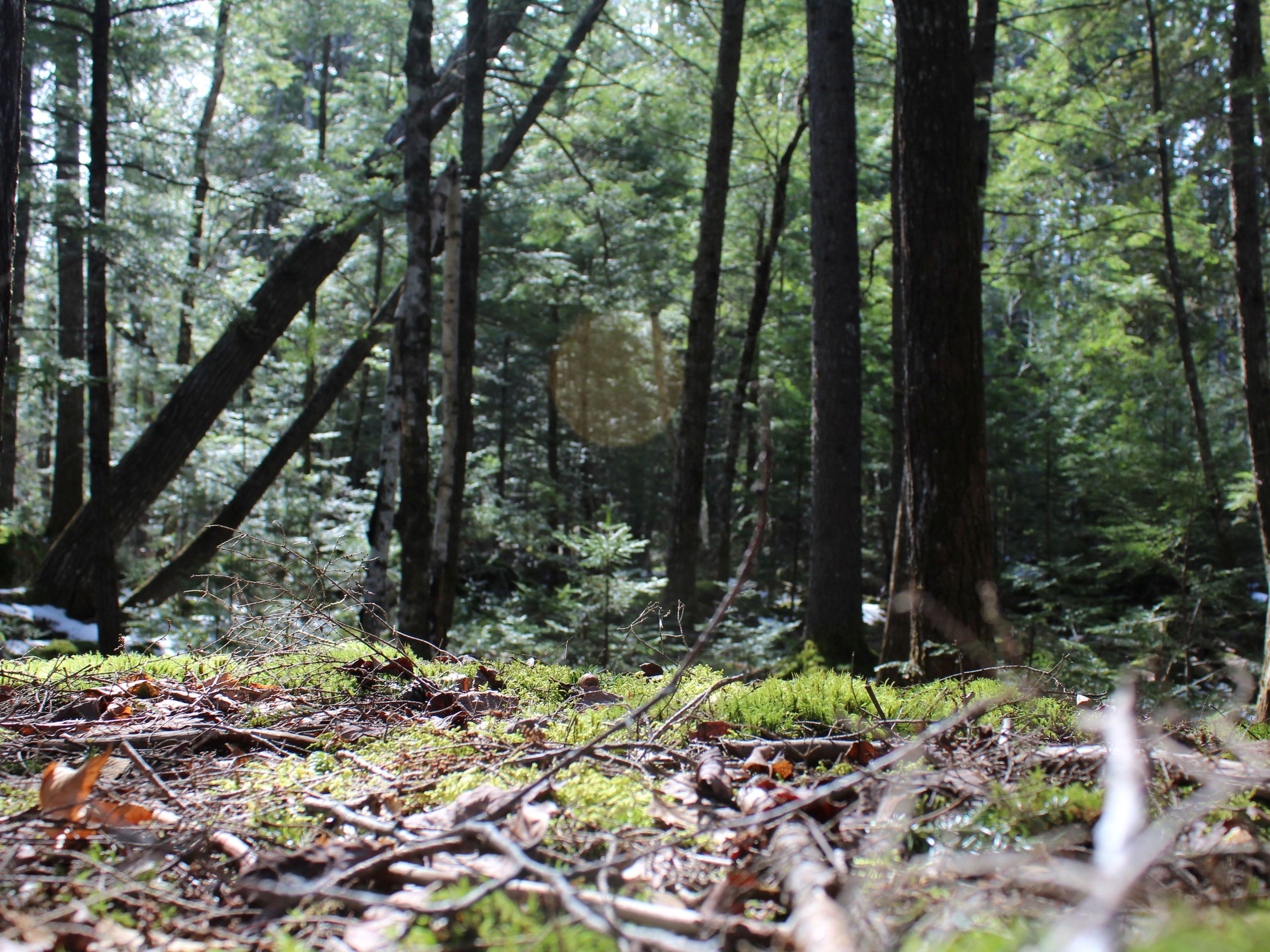
7 Lakes Alliance is slated to begin a reforestation project on the Dunn Road Conservation Area in Belgrade in late April. Around 500 trees will be planted with the goal of establishing areas of forest that are climate resilient. The tree planting project coincides with annual Earth Day celebrations.
Why Dunn Road Conservation Area and Why Now?
Prior to 7 Lakes Alliance’s 2024 Dunn Road Conservation Area acquisition, the property was heavily logged. Stewarding a healthy climate-resilient forest on the Dunn Road Conservation area now, will benefit the entire Belgrade Lake watershed for years to come. Plantings protect steep hillsides from erosion and this erosion control practice will also prevent harmful nutrients from entering Long Pond.
Planting trees is just the beginning of the process. 7 Lakes will continue to monitor the growth of the new trees, install protective tree tubes to prevent browse from mammals and rodents, and regularly water the trees during the most vulnerable stage of their lives.
Become a Legacy Builder
7 Lakes Alliance is dedicating two community tree planting days to launch the climate-resilient reforestation project and celebrate Earth Day. The tree planting days will be held on April 23rd and April 25th. Join us in building a living legacy by planting a forest designed to withstand climate change and protect our biodiversity for generations to come. The focus for both days will be to set the trees in the ground, and support the new plantings by installing mulch, tree tubes, and stakes. Special gear is not required to participate. Check out event details and sign up here.
What Makes a Forest Climate Resilient?
A climate-resilient forest is an ecosystem managed to withstand, adapt to, and recover from climate-induced stressors like droughts, fires, and pests. The ecological threats posed by climate change can have dramatic effects on forests in Maine. Extreme weather events happen more frequently, summers tend to be hotter and dryer, and warmer springs and winters allow more invasive forest pests to become established.
A climate-resilient forest can adapt to these stresses and maintain its structure and ecological functions. In Maine, key characteristics of climate-resilient forests include drought resistance, biodiversity, and both old and young trees in the same stands.
One of the most common trees found in Belgrade Lakes watershed is the American Beech. Sadly, this tree is also one of the most vulnerable. Many American Beech trees in the area suffer from beech bark disease, which causes a severe condition that is usually fatal to the tree within 3-10 years of developing symptoms. Additionally, beech leaf disease has appeared in Maine. The first fatalities from the condition were recorded in 2025. This combination of diseases means that one of our most common forest types is at risk. To combat this, we are actively managing forest composition that does not heavily rely on American Beech trees.
Conservation Area Forest Composition
Reforestation efforts on the Dunn Road Conservation Area will be divided into three zones.
- Windthrow
- Native Trees
- Migration Plots
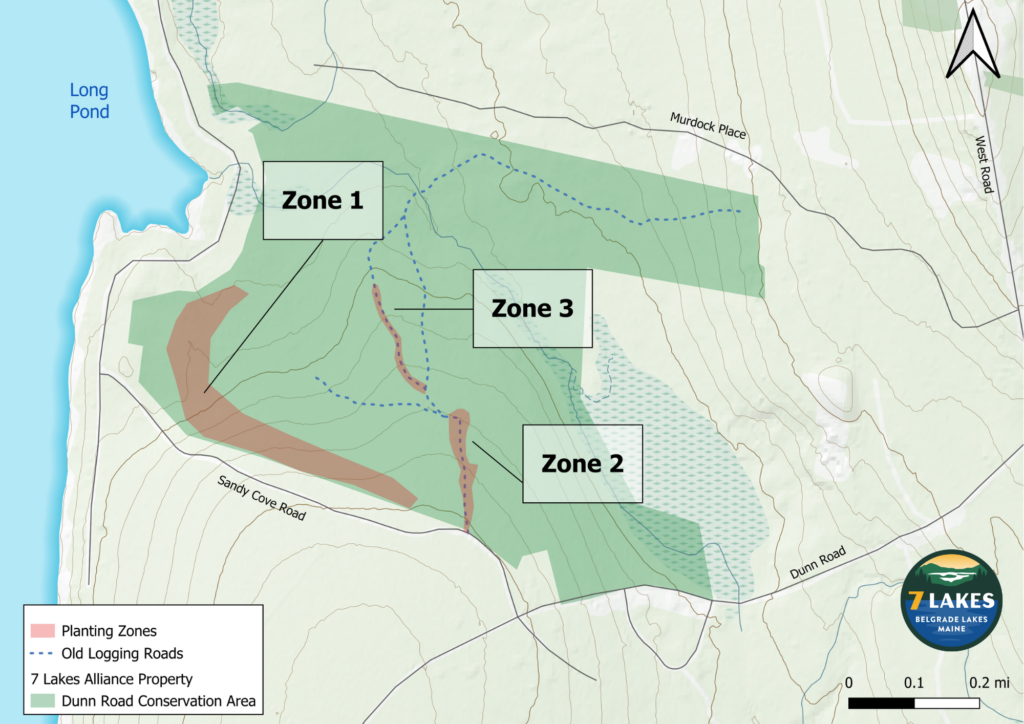
Zone 1 – Windthrow
The first zone focuses on mitigating wind throw, or damage to healthy trees on neighboring properties by wind. The goal here is to plant trees that grow quickly, have dense canopies, and are firmly rooted in the ground. Firm roots make the trees more resilient to wind damage and protect the trees behind them. Trees planted in Zone 1 will include fast growing red maples and slower growing but deep-rooted red oak. White pines will also be planted. Notably, white pines grow quickly and can reach enormous sizes when they mature.
Zone 2 – Native Trees
The second zone will feature native trees such as black cherry, hophornbeam, and white pine. Native trees are well equipped to handle more extreme weather conditions, like hotter summers, extended periods of draught, or warmer winters.
Zone 3 – Migration Plots
Finally, assisted migration plots will be established. Trees more commonly found in the mid-Atlantic, will be planted in designated areas. With changing climate pushing the ranges of many tree species north and into New England, our goal here is to test the viability of different species in Maine. These plots are experimental and will be monitored regularly. Tree species planted here will include American chestnut (a hybridized, blight resistant variant), American sweetgum, and black tupelo.
Dan Woughter
Stewardship Coordinator
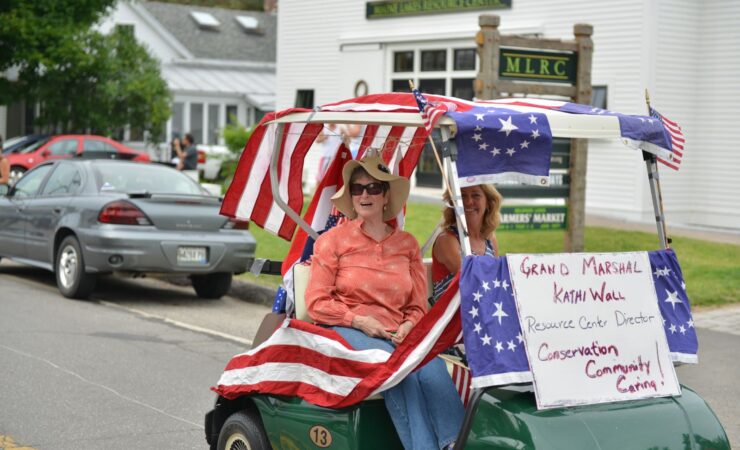
Remembering Kathi Wall
June 26
It is with great sadness that we share the passing of Kathi Wall, founding Executive Director of the Maine Lakes Resource Center, the organization whose merger with the Belgrade Regional
Keep Reading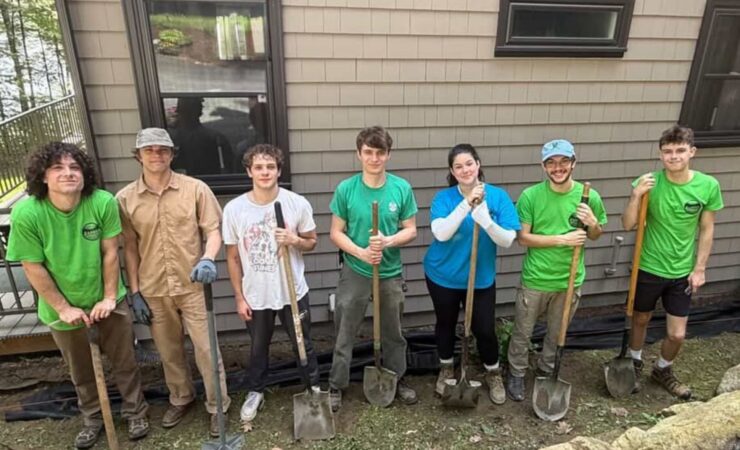
Scaling Summer Conservation Efforts
June 26
Meet the summer crew protecting our watershed Planning a paddle, hike, or swim in Belgrade Lakes? The summer you love starts with healthy lakes and lands, and they do not
Keep Reading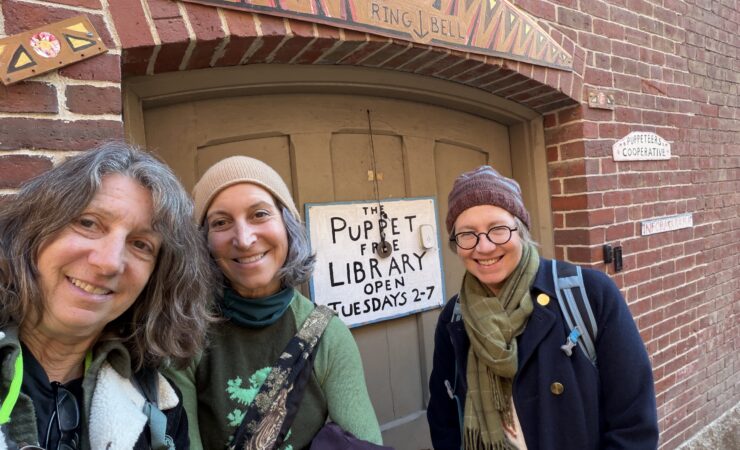
Inaugural 7 Lakes Alliance Arts Residency Announced
May 7
7 Lakes Alliance has launched the 7 Lakes Alliance Artist Residency, a new initiative that uses art to deepen public awareness of lake ecology and conservation. Through their work, resident artists will create experiences that engage community members of all ages in understanding and addressing environmental challenges facing the watershed, including the spread of invasive aquatic plants that threaten lake health.
Keep Reading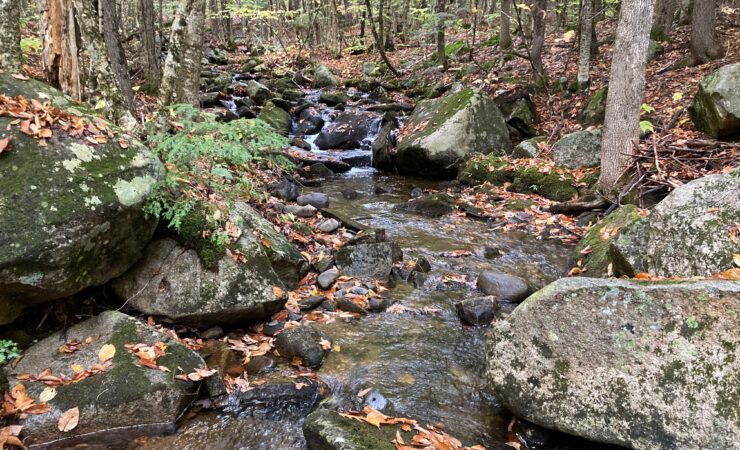
Denny Phillips Legacy Forest Permanently Protected
April 28
7 Lakes Alliance permanently protects Denny Phillips Legacy Forest 7 Lakes Alliance has permanently protected the Denny Phillips Legacy Forest, a 200-acre conservation area that serves as a critical ecological
Keep Reading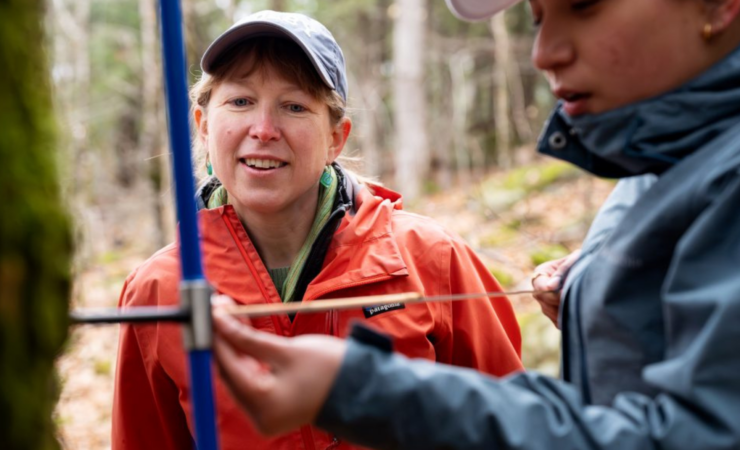
A Win for Belgrade Lakes Watershed
April 9
172 Acres of Old-Growth Forest Permanently Protected BELGRADE, Maine —Associate Professor of Earth Sciences Bess Koffman and Colby College students confirmed an old-growth forest on the eastern shore of Long
Keep Reading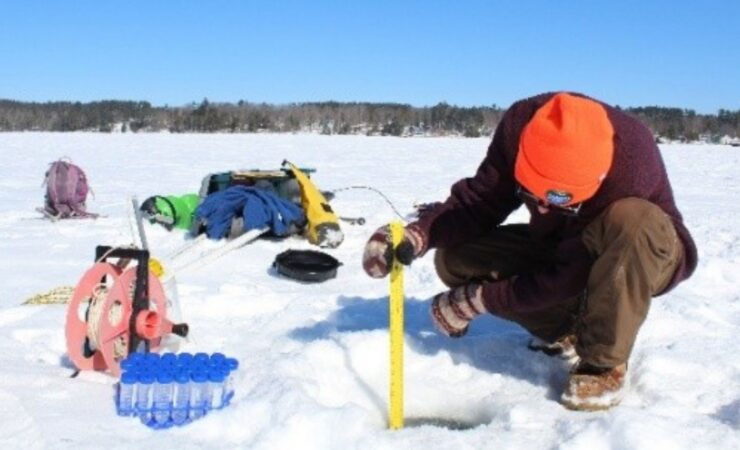
Waiting for Ice-out After a Good-sized Winter
March 27
Maine has a long history of keeping records of ice coverage. For example, Lakes Auburn, Moosehead, Sebago, Damariscotta, Cobbossee, have ice-on and ice-out records dating back to 1850 or earlier.
Keep Reading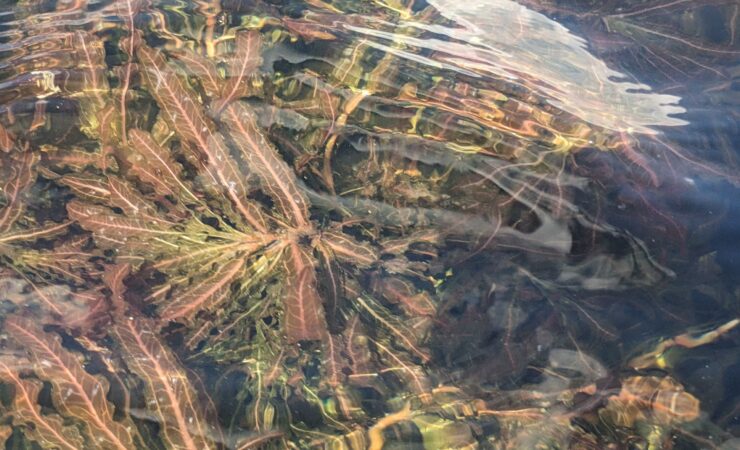
Ice-Out, Curly-In
March 27
As the ice melts and the lakes open up, curly-leaf pondweed (CLPW) begins its rapid rise to the surface, forming dense mats that block sunlight from reaching plants lower in
Keep Reading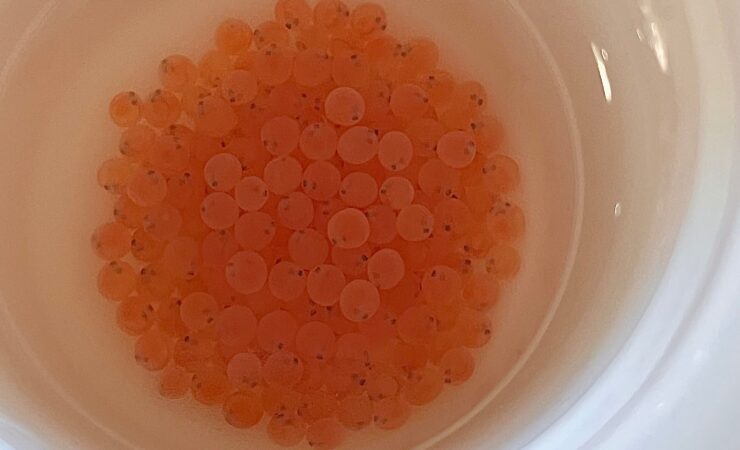
From Tank to River: Protecting Maine’s Atlantic Salmon
March 27
Maine is home to the last remaining wild Atlantic salmon populations in the United States, making local conservations efforts critical. To help protect Atlantic salmon, the Maine Council of the
Keep Reading