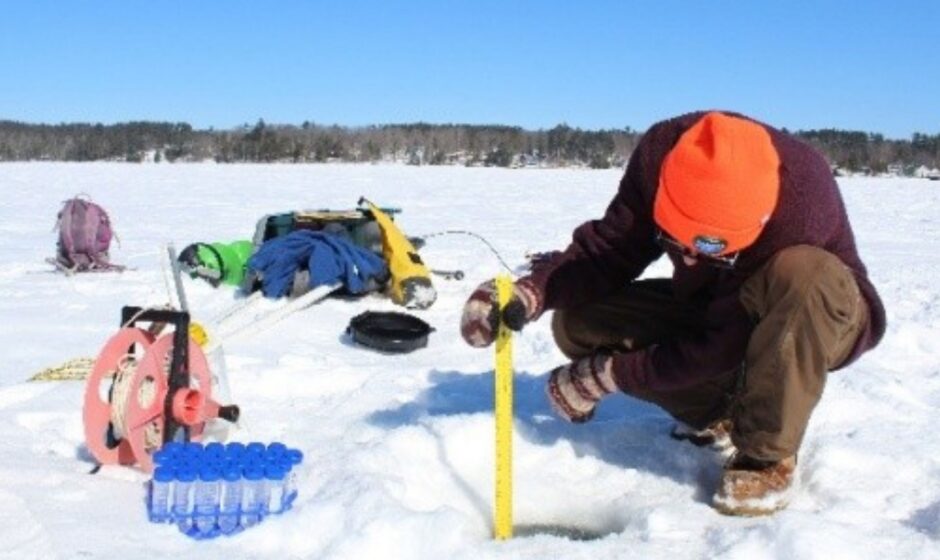
Waiting for Ice-out After a Good-sized Winter
Maine has a long history of keeping records of ice coverage. For example, Lakes Auburn, Moosehead, Sebago, Damariscotta, Cobbossee, have ice-on and ice-out records dating back to 1850 or earlier. “Ice-on” refers to the date when ice has covered an entire lake, and “ice-out” indicates when the ice has thawed enough to navigate through open
Keep Reading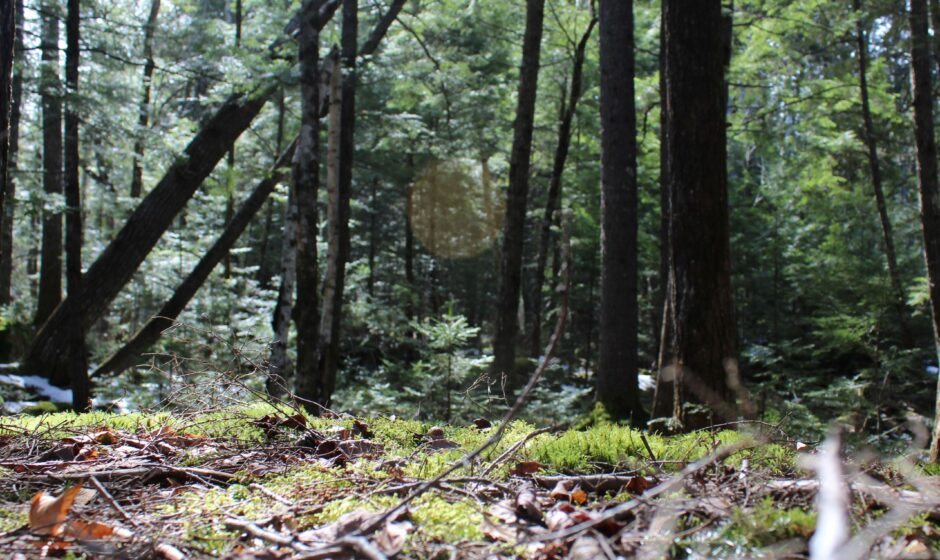
Reforestation: Protecting the Watershed One Tree at a Time
7 Lakes Alliance is slated to begin a reforestation project on the Dunn Road Conservation Area in Belgrade in late April. Around 500 trees will be planted with the goal of establishing areas of forest that are climate resilient. The tree planting project coincides with annual Earth Day celebrations. Why Dunn Road Conservation Area and
Keep Reading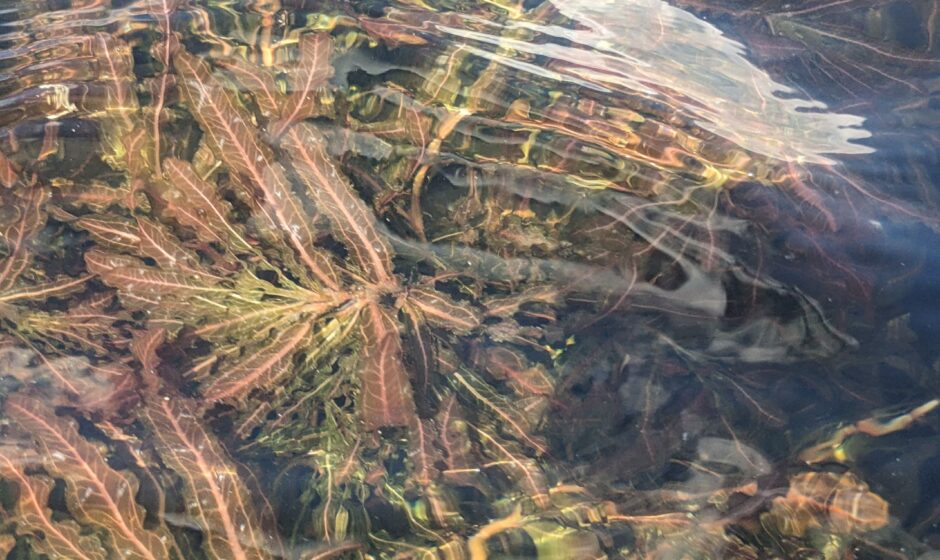
Ice-Out, Curly-In
As the ice melts and the lakes open up, curly-leaf pondweed (CLPW) begins its rapid rise to the surface, forming dense mats that block sunlight from reaching plants lower in the water column. CLPW is a cold-hardy invasive aquatic plant that grows slowly beneath the ice throughout the winter and reaches peak growth in May
Keep Reading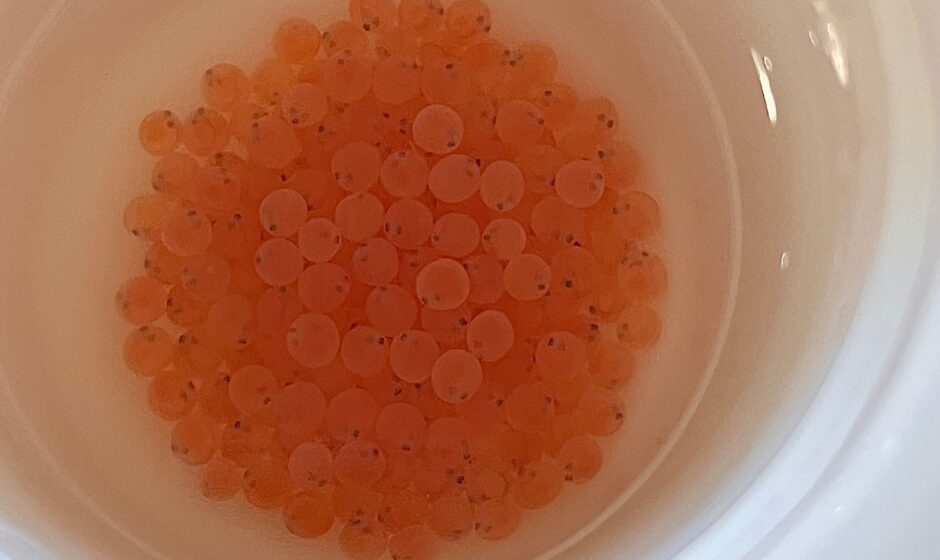
From Tank to River: Protecting Maine’s Atlantic Salmon
Maine is home to the last remaining wild Atlantic salmon populations in the United States, making local conservations efforts critical. To help protect Atlantic salmon, the Maine Council of the Atlantic Salmon Federation collaborates with Maine educators to introduce young learners to the challenges faced by endangered Atlantic salmon. The Fish Friends program engages students
Keep Reading
Long Term Funding to Protect Maine’s Lakes On the Line
Urge legislators to support LD 2141 to protect Maine’s lakes The Maine Legislature has an opportunity to protect the water quality of our lakes and the long-term viability of farmland. LD 2141 follows the lead of other states with beverage container redemption programs where unredeemed bottle deposits are invested in high-priority conservation programs. Now is
Keep Reading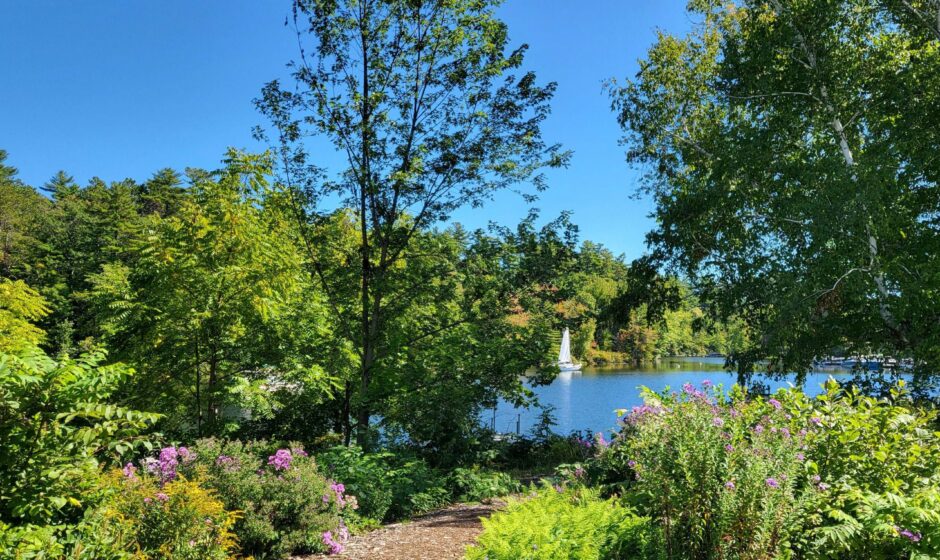
5 Watershed Strategies for Landowners
What we do on land affects the lake Runoff (rainwater that doesn’t soak into the ground) carries pollutants with it, from pet waste to road salt to dirt. Soil, aka dirt, contains nutrients like phosphorus and nitrogen, which cause algal blooms when there’s too much. Protecting our lakes requires reducing the amount of runoff and
Keep Reading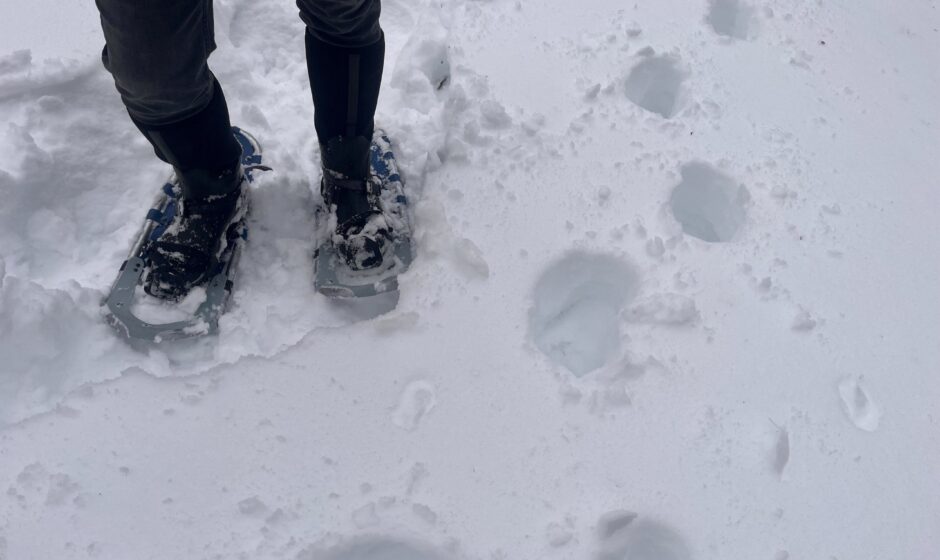
Mind The Posthole: Winter Hiking Etiquette
Winter is a great time to go outside, and it often requires a bit of extra preparation. Whether navigating on foot, skis, snowmobile or fat-tire bike, we all share the responsibility of keeping our outdoor spaces safe and accessible. Mind the Posthole One of the most important pieces of gear for a winter hiker is
Keep Reading
Invasive Aquatics Looks at Life Under Ice
During the North Pond Association’s Annual Pike Derby on February 15, our Invasive Aquatics team hit the ice for two reasons: to share Clean, Drain, Dry practices with anglers and to check on curly-leaf pondweed (CLP) under the ice. Year-Round Threat Even in winter, aquatic invasive species can spread. Plant fragments and reproductive structures (like
Keep Reading