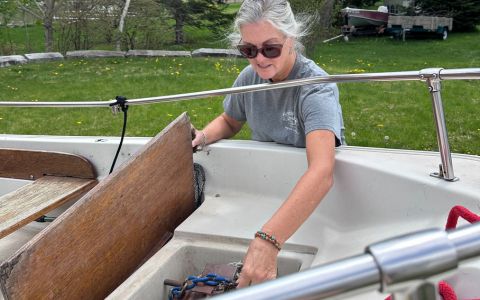
Courtesy Boat Inspector checks for invasive plants during a training exercise earlier this season
Maine’s lakes and rivers are public waters, providing everyone with the opportunity to enjoy boating, fishing, swimming, and paddling. With that privilege comes a shared responsibility to protect these waters for future generations. Fortunately, the steps required to do so are simple.
If you operate a motorized vessel on Maine’s inland waters, state law requires the purchase of a Lake and River Protection Sticker. For Maine-registered boats, this fee is included with annual registration. Owners of out-of-state boats must purchase the sticker online or from an authorized vendor before launching in Maine.
Clean, Drain, Dry
Just as important is another responsibility that costs only a few minutes of your time: Clean, Drain, Dry. Before leaving one waterbody and entering another, thoroughly clean all boats, trailers, and equipment, drain all bilges, live wells, and other water-holding compartments, and allow everything to dry completely whenever possible. These simple actions are among the most effective ways to prevent the spread of invasive aquatic plants and animals such as zebra mussels, Eurasian watermilfoil, and curly-leaf pondweed—species that have caused enormous ecological and economic damage across North America.
Recent Incident
Recently, an out-of-state boat launched in both Long Pond and Great Pond while unknowingly transporting two invasive species lodged behind a tire on the boat trailer. Unfortunately, the boat launched before our Courtesy Boat Inspectors began their shift (prior to 7:00 a.m.), so the invasive material was discovered only after the vessel had already entered the water.
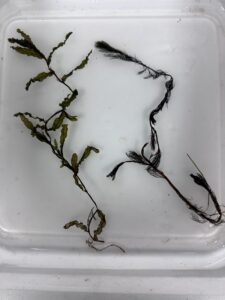
Invasive plants found on the boat trailer. Left: Curly-leaf Pondweed. Right: Eurasian Milfoil.
The last known waterbody visited by this boat is heavily infested with curly-leaf pondweed, Eurasian watermilfoil, and zebra mussels. If any of these species become established in Great Pond or Long Pond, the result could be decades of expensive management efforts, degraded habitat, reduced recreational opportunities, and significant impacts to lakefront property values.
The Maine Warden Service was immediately notified and issued the boater citations for transporting invasive aquatic species. While these penalties are important, they cannot offset the long-term ecological and financial costs that local communities would bear if these invasive species became established.
Over the coming weeks, 7 Lakes Alliance staff will be closely monitoring the areas surrounding the public boat launches on both Great Pond and Long Pond to determine whether any invasive plant fragments became dislodged during launching.
How You Can Help
This incident serves as an important reminder that preventing new infestations depends on every boater. Spending just five minutes cleaning your boat and trailer before traveling to another lake can prevent years—or even decades—of costly management and ecological damage.
Every lake user has a role to play in protecting Maine’s waters. Before heading to your next destination, ask yourself:
Have I cleaned my boat, trailer, and equipment? Have I drained all water? Am I doing everything I can to protect the lakes I love?
Five minutes of prevention today can protect Maine’s lakes for generations to come.
Sharon Mann
Invasive Aquatics Director
Don’t Be That Boater
August 28
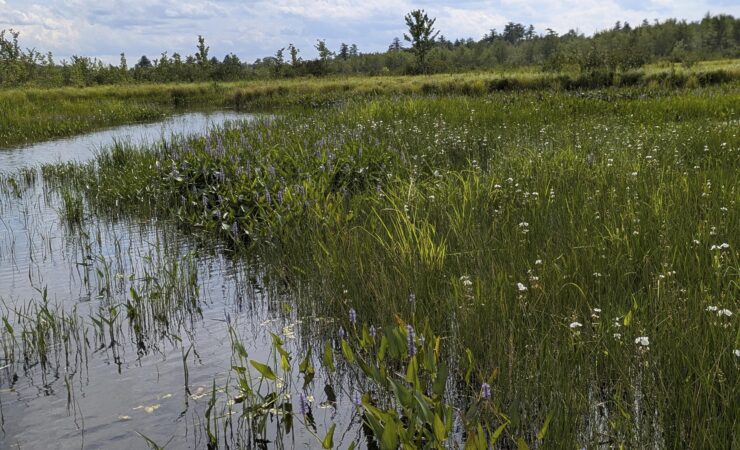
Update from Sharon Mann, 7 Lakes Alliance Invasive Aquatics Diretcor August 28, 2026 Recently, I paddled down Great Meadow Stream to conduct a routine survey for the few remaining, scattered
Keep Reading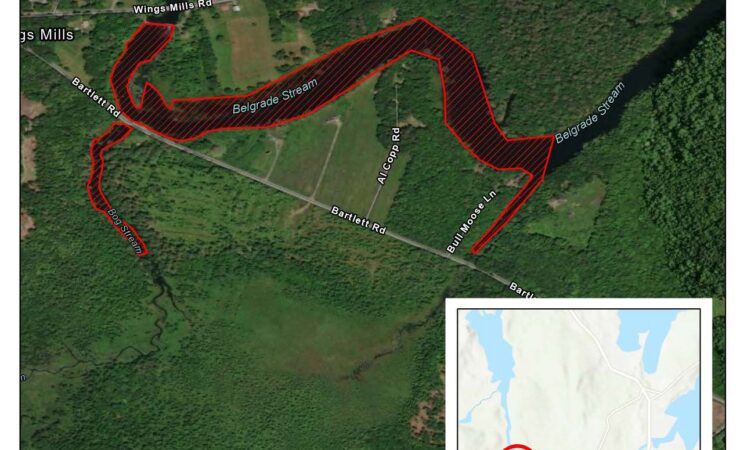
The Start of Something Good
August 25
We are pleased to share that on August 31, a small portion of Belgrade Stream will be treated with a low-risk herbicide to reduce invasive variable-leaf milfoil, lower the risk
Keep Reading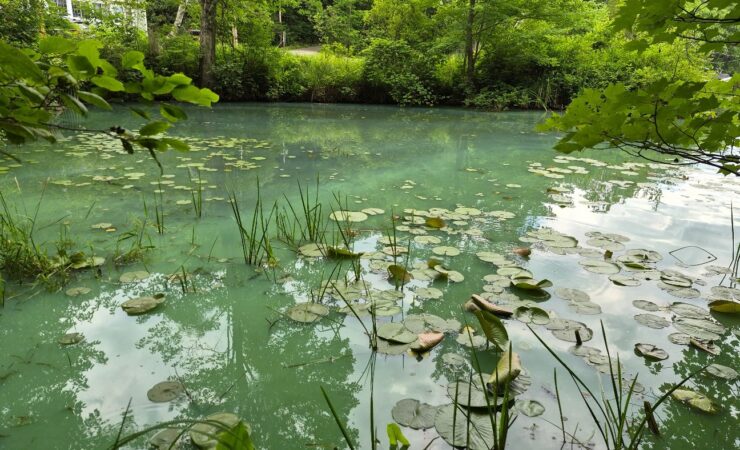
What Kind of Algae Is That?
July 10
Algae Update Summer 2026 So far, the lakes have remained nice and clear during the latest heatwave, but we are starting to see a measurable increase in algae growth. Not
Keep Reading
Remembering Kathi Wall
June 26
It is with great sadness that we share the passing of Kathi Wall, founding Executive Director of the Maine Lakes Resource Center, the organization whose merger with the Belgrade Regional
Keep Reading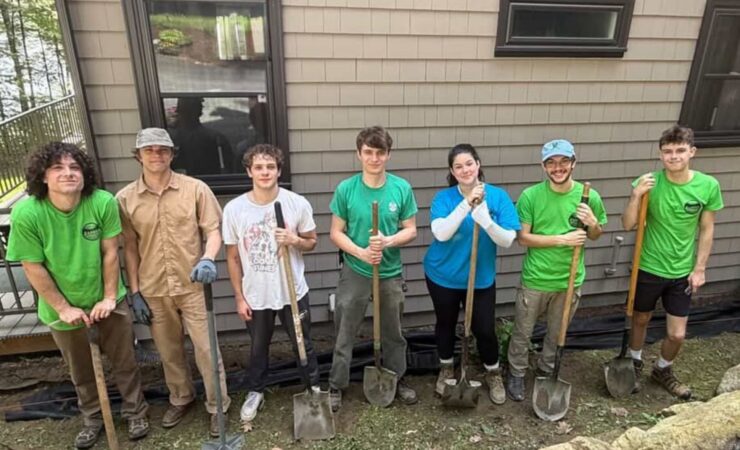
Scaling Summer Conservation Efforts
June 26
Meet the summer crew protecting our watershed Planning a paddle, hike, or swim in Belgrade Lakes? The summer you love starts with healthy lakes and lands, and they do not
Keep Reading
Inaugural 7 Lakes Alliance Arts Residency Announced
May 7
7 Lakes Alliance has launched the 7 Lakes Alliance Artist Residency, a new initiative that uses art to deepen public awareness of lake ecology and conservation. Through their work, resident artists will create experiences that engage community members of all ages in understanding and addressing environmental challenges facing the watershed, including the spread of invasive aquatic plants that threaten lake health.
Keep Reading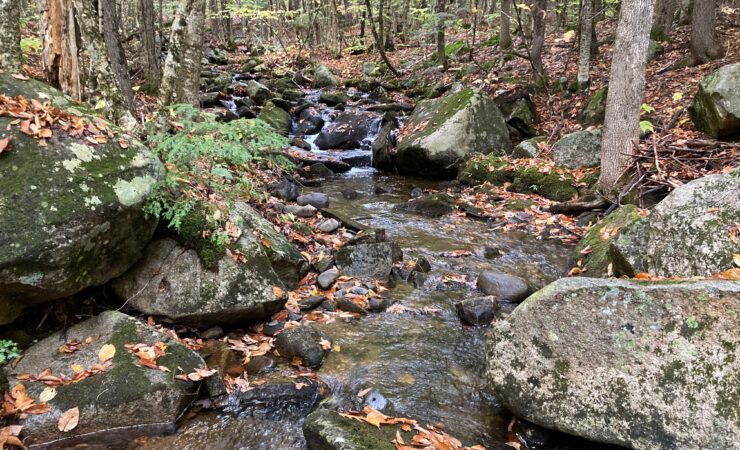
Denny Phillips Legacy Forest Permanently Protected
April 28
7 Lakes Alliance permanently protects Denny Phillips Legacy Forest 7 Lakes Alliance has permanently protected the Denny Phillips Legacy Forest, a 200-acre conservation area that serves as a critical ecological
Keep Reading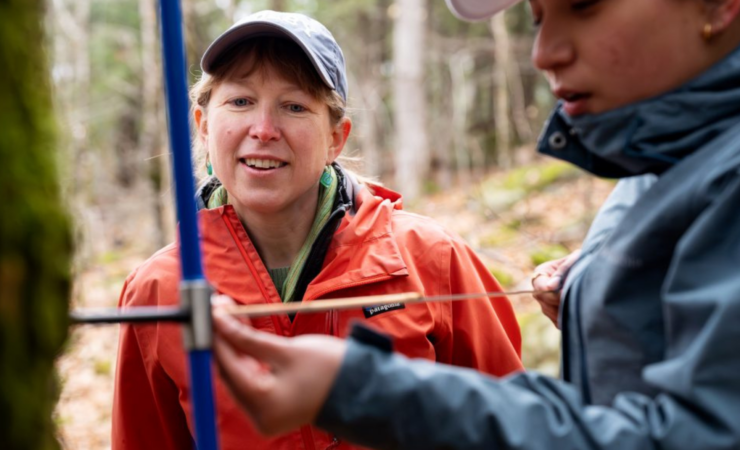
A Win for Belgrade Lakes Watershed
April 9
172 Acres of Old-Growth Forest Permanently Protected BELGRADE, Maine —Associate Professor of Earth Sciences Bess Koffman and Colby College students confirmed an old-growth forest on the eastern shore of Long
Keep Reading