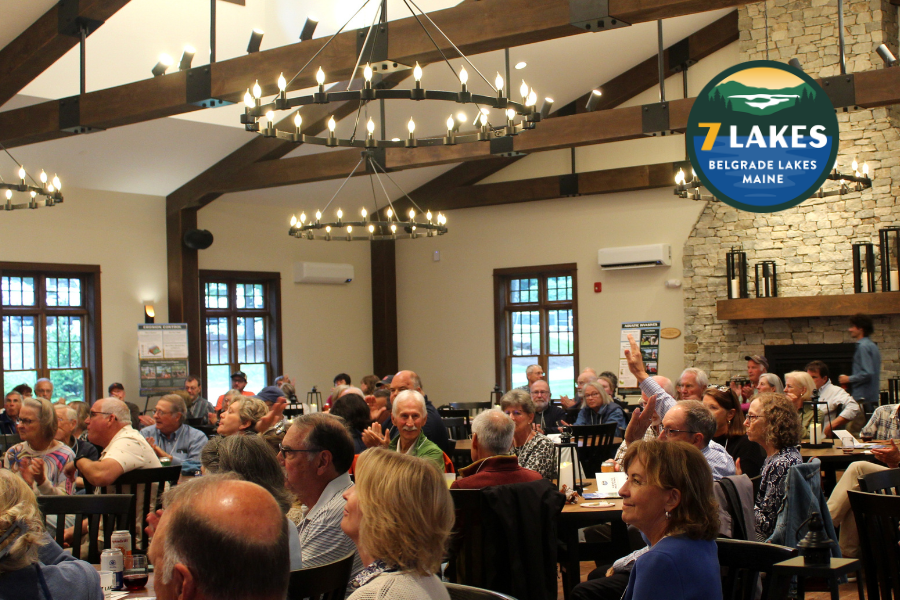
Highlights from this year’s Annual Meeting included a conservation update from President and CEO Chris Monz and a financial report presented by Treasurer Tom McCandlish. The meeting concluded with a special tribute honoring two long-standing conservation leaders, followed by a Q&A session with the 7 Lakes staff.
Key Takeaways
- The board approved a new 5-year strategic plan.
- 7 Lakes Alliance is financially strong, with zero debt and adequate liquid assets, enabling both operational security and funding for special projects.
- The Bomazeen Conservation effort achieved its $3M goal in less than 30 days.
- A long-term comprehensive fundraising campaign is under consideration to ensure long-term funding sustainability.
- Roy Bouchard and Bill Swan were honored as 2026 Conservation Champions for decades of exceptional service.
- Volunteer involvement is crucial and accessible with flexible time commitments.
2026 Highlights presented by Chris Monz, President & CEO
-
- Erosion Control: 13 YCC students installed 105 best management practices this season; we’re wrapping up 319 grants on Long Pond and Messalonskee and starting new ones on North Pond and Salmon Lake/McGrath Pond in October. We also secured a $21k Clean Water State Revolving Fund grant.
- Land Stewardship: Construction is underway on the Nature Education Pavilion at the Homestead Property, and trail work continued this summer, including new bridges on the Blaisdell Trail.
- Invasive Aquatic Species: We launched a multi-year effort to combat the state’s worst milfoil infestation in Messalonskee Lake and Belgrade Stream, and quickly responded to a newly detected invasive plant in Great Meadow Stream/Great Pond.
- Education & Outreach: Over 1,000 people attended our programs since January 2026, plus a successful pilot course with Kents Hill School and a new StoryWalk® at the Homestead Nature Education Center.
- Lake Science: We’re preparing for the North Pond alum treatment (over $3M in combined funding) and working toward water quality monitoring buoys across all the lakes.
- Land Conservation: We completed the purchase of the Philips Homestead property and are working to conserve the Robbins Mills stream. The biggest news: continued progress toward acquiring Camp Bomazeen, made possible by over 200 donors and strong community support.
- Strategic Plan: The board approved a new 5-year strategic plan, and we’re preparing to launch a new 5-year fundraising campaign this fall.
- Special thanks to the Lakes Associations across the watershed. Their collaboration is essential to our work.
Financial and Strategic Outlook presented by Tom McCandlish, Treasurer

Tom McCandlish presents the financial outlook.
7 Lakes maintains strong financial health with zero debt and adequate liquid assets, allowing for operational security and funding of special projects. The Bomazeen Conservation project achieved its goal of raising $3 million to secure 280 acres of high value conservation property on Great Pond. This effort was made possible by contributions from over 200 local residents and organizations. A special thank you to the Belgrade Lakes Association, the Horsepoint neighbors, and the Alfond Families whose contributions provided the cornerstone of the fundraising for this project.
Blake Island on Messalonskee Lake has emerged as a potential future conservation target due to its environmental sensitivity and risk of development that could degrade lake ecology and recreational experiences. The island has historically been a community asset, and plans are underway to reestablish it as such. This initiative is expected to unfold over the next year, with outreach encouraged to residents of Messalonskee lake who are already aware of the opportunity.
In addition, 7 Lakes leadership is actively exploring a broader, long-term comprehensive campaign to increase fundraising capacity and create a sustainable fundraising model for the future.
Eddie Mayer Award Winners presented by Board Chair Jane Eberle
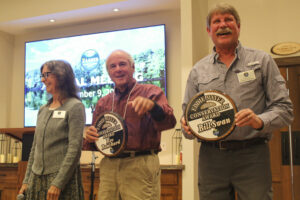
2026 Eddie Mayer Award Winners; Roy Bouchard (left) and Bill Swan (right).
Roy Bouchard
Roy Bouchard was one of the original Board members of 7 Lakes’ predecessor organization, the Belgrade Regional Conservation Alliance, along with Eddie Mayer, when it was formed in 1991. Roy served in multiple leadership roles including president, secretary, and registered agent. Roy serves on 7 Lakes’ Land and Stewardship committees and was the primary author of numerous conservation easements. He spent 30 years with Maine Department of Environmental Protection, where he ran the Lake Assessment Program, covering invasive species, water quality, and habitat protection. Roy serves on the Advisory Board of the Lake Stewards of Maine. On the 50th Anniversary of the Clean Water Act, he was recognized as one of the Clean Water Champions for his role in implementing the Clean Water Act in Maine. Roy has spent decades helping to conserve local lands. While serving on the Belgrade Comprehensive Plan Committee he helped shape their shoreland zoning ordinances. Of special note is that the first Eddie Mayer Award in 2011 was given to Roy’s late wife, Sue Gawler.
Bill Swan
Bill Swan was one of the original Board members of 7 Lakes’ predecessor organization, the Belgrade Regional Conservation Alliance, along with Eddie Mayer, when it was formed in 1991. Bill chairs the 7 Lakes Land Trust Committee and served over 20 years as Director of Licensing at the Maine Department of Inland Fisheries and Wildlife. As a registered Maine guide for over 20 years, he has great insight into wildlife corridors, public land policy, and hunting/fishing regulations. Bill helped develop 7 Lake’s Hubs and Corridors plan and has provided significant expertise in evaluating land parcels being considered for protection. His relationships with sportsmen and landowners led to contributions to the Fog Island Preserve. He currently serves on the Board of the 30 Mile River Watershed Association, 7 Lakes’ sister watershed organization, fostering regional collaborations and partnerships.
Both Bill and Roy exemplify the integration of professional dedication and personal passion for conservation, delivering sustained impact across land, water, and policy domains.
Q&A with 7 Lakes Alliance
Q: What is the current status of Bomazeen Conservation project?
A: The board unanimously approved moving forward with this project and it is moving toward closing by the end of the month. Funding is secured primarily through pledges, and efforts are now focused on converting these pledges into cash within the next few weeks. Anticipated closing is this month. A year-long management planning process will begin after the closing.
Q: What’s happening over at the Homestead Nature Education Center? (The property across the street from the Round Top trailhead.)
A: The Homestead Nature Education Center is nearing completion by year’s end. A new open-air pavilion will be completed in the next few weeks. The Pavilion is being constructed from the salvaged frame of the Old South Church in Belgrade, originally built in 1828. The frame was preserved when the church was replaced and has been repurposed and refurbished for this community education and public use space. Already open at this location are a 0.3-mile wheelchair-accessible trail, a large parking lot suitable for buses and accessible vehicles, and an accessible privy.
Q: Why are we investing so much time and effort into Belgrade Stream? Isn’t it hopeless?
A: For treatment, herbicides are used selectively in low-risk, low-dose applications to reduce serious infestations, but are not a standalone solution. Follow-up is essential, involving dive teams that manually remove residual plants—‘weeding the garden’ underwater. For example, after herbicide treatment in Great Meadow Stream, annual removal dropped from 50,000 gallons to around 30 gallons per season. Similar monitoring and maintenance are planned for treated areas in Messalonskee Lake. Infestations require a lifetime commitment to management.
Q: Do CBI boat inspections really work?
A: CBIs (Courtesy Boat Inspectors) have proven effective, intercepting invasive plant fragments from entering our lakes. This year alone, over 13,000 inspections were conducted and five interceptions of invasives were made. In addition to variable leaf milfoil, an inspection stopped Eurasian water milfoil, traced to Lake Bomazeen in Vermont before entering local waters. These inspections, combined with public education on self-inspection, are critical to stopping new infestations coming from other bodies of water.
Q: What is the status of the North Pond alum Treatment?
A: 7 Lakes received Congressionally Directed Spending Grant to support treatment efforts at North Pond. The grant is being processed through the EPA and is being managed by Lynn Geiger, with funds expected by spring, ideally for May deployment. Prior to treatment, baseline monitoring, including eDNA sampling, is being conducted to assess ecological change pre- and post-treatment. The East Pond treatment, now in its eighth year, remains a success with sustained clear water, providing a hopeful model for North Pond.
Contact: Dr. Danielle Wain, Lake Science Director.
Q: How has the water quality been this year and what are the factors that impact water quality that individuals can influence?
A: This year’s water quality has been favorable across the watershed, attributed largely to the absence of rain, which reduces runoff, erosion, and associated phosphorus loading from sediment, fertilizers, and pet waste. Lakes such as Salmon and East Pond show strong conditions, though McGrath Pond exhibits seasonal turnover patterns. Public awareness remains critical. Individual actions, like maintaining a 5-10-foot no-mow buffer near the shoreline, are highlighted as the easiest and most effective way to prevent erosion and protect water quality.
Contact: Matt Farragher, Lake Scientist OR Lynn Geiger, Erosion Control Policy Manager
Q: I’d like to volunteer, but I’m worried about the time commitment.
A: Volunteering is open to all with no mandatory time commitments. Opportunities include:
- Land stewardship: Occasional trail maintenance or property monitoring.
Contact: Dan Woughter, Land Stewardship Coordinator - Courtesy Boat Inspectors (CBI): Especially needed during the shoulder season when student inspectors are away at school.
Contact: Josie Miller, Invasive Aquatics Coordinator - Shoreline Adoption: Surveying one’s own shoreline a few times per year, reporting observations via the Survey123 app.
Contact: Invasive Aquatics Coordinator, Josie Miller - Watershed Surveys: A one-day commitment to assess erosion and pollution risks on properties around Salmon and McGrath
Contact, Lynn Geiger, Erosion Control Policy Manager - Water Quality Monitoring: Training provided to replace retiring volunteers like Chris Bradley on Great Pine; help also needed for Leo Chikia’s long-term monitoring on Great and Long Pond. Stream sampling: Participation in spring snowmelt monitoring events.
Contact: Matt Farragher, Lake Scientist - Invasive Species Spotting: Sharing photos, videos, or GPS pins of potential invasive plants via staff to enable rapid dive team response.
Contact: Sharon Mann, Invasive Aquatics Director
Should you have questions, or simply want to connect, send us an email!
Email 7 Lakes Alliance
7 Lakes Alliance
Conserving the lands and waters of the Belgrade Lakes Region
7 Lakes Alliance Leadership Update
September 14
7 Lakes Alliance Leadership Update 7 Lakes Alliance would like to thank President and CEO Dr. Christopher Monz as he leaves the organization. The widespread recognition of 7
Keep Reading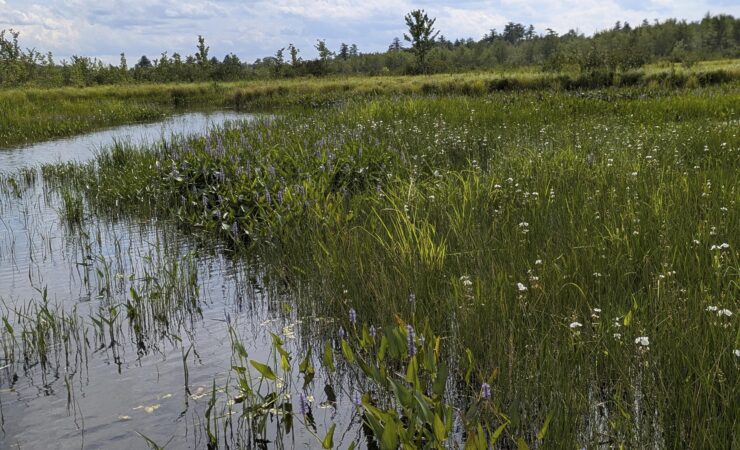
Don’t Be That Boater
August 28
Update from Sharon Mann, 7 Lakes Alliance Invasive Aquatics Diretcor August 28, 2026 Recently, I paddled down Great Meadow Stream to conduct a routine survey for the few remaining, scattered
Keep Reading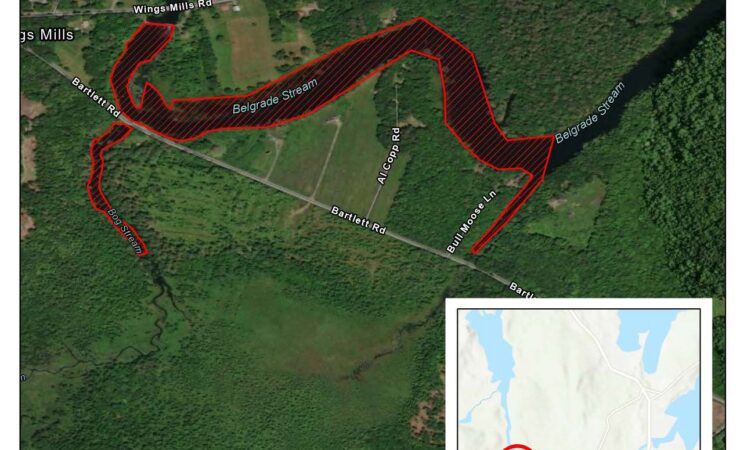
The Start of Something Good
August 25
We are pleased to share that on August 31, a small portion of Belgrade Stream will be treated with a low-risk herbicide to reduce invasive variable-leaf milfoil, lower the risk
Keep Reading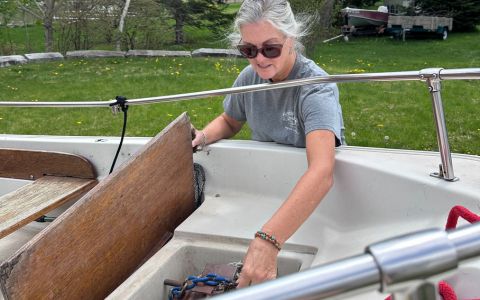
The Importance of Clean, Drain, Dry
July 22
Maine’s lakes and rivers are public waters, providing everyone with the opportunity to enjoy boating, fishing, swimming, and paddling. With that privilege comes a shared responsibility to protect these waters
Keep Reading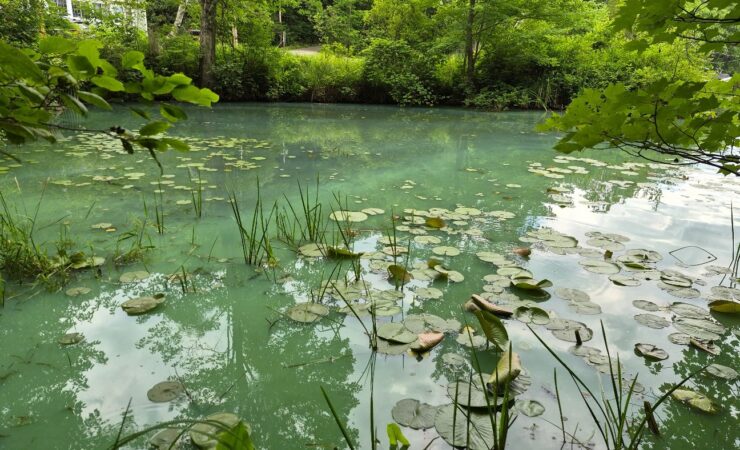
What Kind of Algae Is That?
July 10
Algae Update Summer 2026 So far, the lakes have remained nice and clear during the latest heatwave, but we are starting to see a measurable increase in algae growth. Not
Keep Reading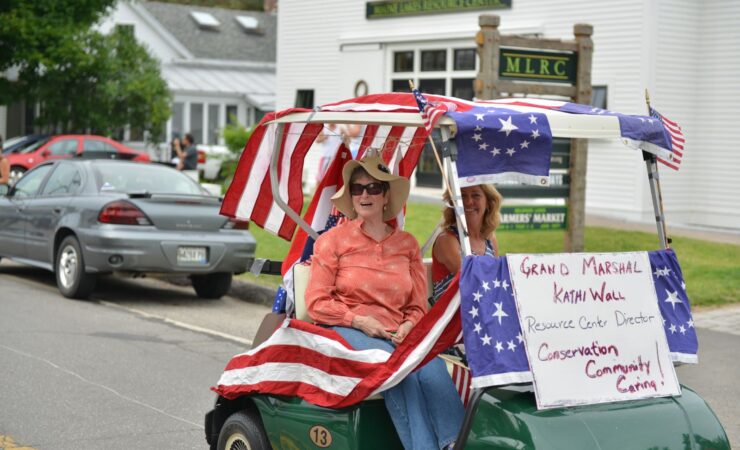
Remembering Kathi Wall
June 26
It is with great sadness that we share the passing of Kathi Wall, founding Executive Director of the Maine Lakes Resource Center, the organization whose merger with the Belgrade Regional
Keep Reading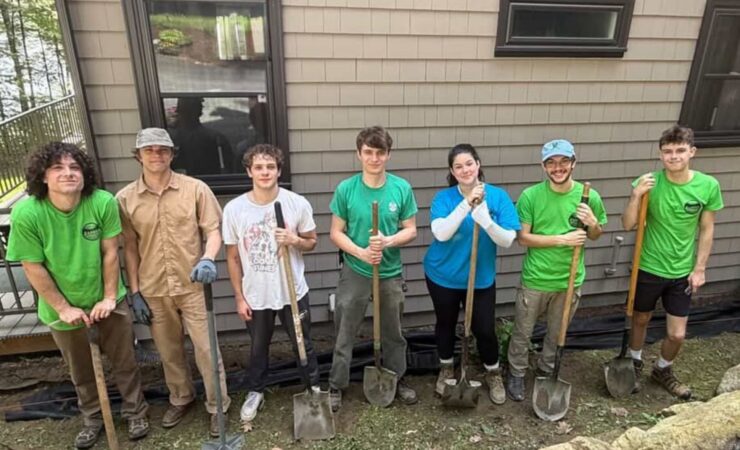
Scaling Summer Conservation Efforts
June 26
Meet the summer crew protecting our watershed Planning a paddle, hike, or swim in Belgrade Lakes? The summer you love starts with healthy lakes and lands, and they do not
Keep Reading
Inaugural 7 Lakes Alliance Arts Residency Announced
May 7
7 Lakes Alliance has launched the 7 Lakes Alliance Artist Residency, a new initiative that uses art to deepen public awareness of lake ecology and conservation. Through their work, resident artists will create experiences that engage community members of all ages in understanding and addressing environmental challenges facing the watershed, including the spread of invasive aquatic plants that threaten lake health.
Keep Reading